10 U.S. Wine Regions to Visit in 2026: From Classic Spots to Hidden Gems

  • 64577
  • 0
Inspirations

10 U.S. Wine Regions to Visit in 2026: From Classic Spots to Hidden Gems

By Hana-Lee Sedgwick January 13, 2026

While a trip to one of Europe’s famed wine regions is certainly worth the time and effort, you don’t have to travel far—or burn all your PTO—to enjoy an incredible wine-fueled getaway in 2026. With every U.S. state producing wine, chances are there’s a destination-worthy region within driving distance, making this the perfect year to explore closer to home.

California, which produces over 80% of the country’s wine, is home to many world-class regions (a few of which appear here), but don’t feel limited to the Golden State. Across the U.S., winemakers are crafting wines that truly reflect where they’re grown, and travelers are taking notice. From established favorites to rising stars, these regions are shaping what American wine travel looks like right now.

Santa Barbara Wine Country
Discover Santa Barbara Wine Country. Photo courtesy of Visit Santa Barbara.

Santa Barbara County, California

Santa Barbara County may have flown under the radar 20 years ago, but today it stands among the most exciting wine regions in the U.S.—praised for its diverse growing sites, varied tasting experiences, and ongoing efforts in sustainability.

What truly sets Santa Barbara apart is its remarkable diversity. Cooling Pacific Ocean influences, dramatic day-to-night temperature swings, and varied soils and microclimates allow more than 70 grape varieties to thrive. The result is a wine scene where Burgundian, Rhône, Bordeaux, Spanish, and Italian grapes can all shine, and experiences range from laid-back tasting rooms to vineyard-view wineries, woven throughout its charming towns.

Taste here:
Presqu’ile Winery – Stunning architecture, quality hospitality and wine.
Dragonette Cellars – Rhône and Burgundian wines, excellent craftsmanship.
A Tribute to Grace – 100% Grenache, female-led.

Finger Lakes Wine Country
Photo courtesy of Finger Lakes Wine Country

Finger Lakes, New York

Of New York’s major wine regions, the Finger Lakes AVA is one of the most historically important, having been at the center of New York’s wine industry since the 1860s. Today, it encompasses the majority of the state’s wineries, with over 140 wineries and 11,000 acres under vine.

Here, Riesling still rules, but Cabernet Franc is the region’s signature red—and Chardonnay and Pinot Noir are quietly gaining traction. Most tasting rooms overlook the water, adding scenic views to each sip, while a plethora of breweries, cideries, and distillers add even more appeal to the region.

Don’t miss:
Dr. Konstantin Frank Winery – the region’s benchmark.
Hermann J. Wiemer Vineyard – biodynamic and historical.

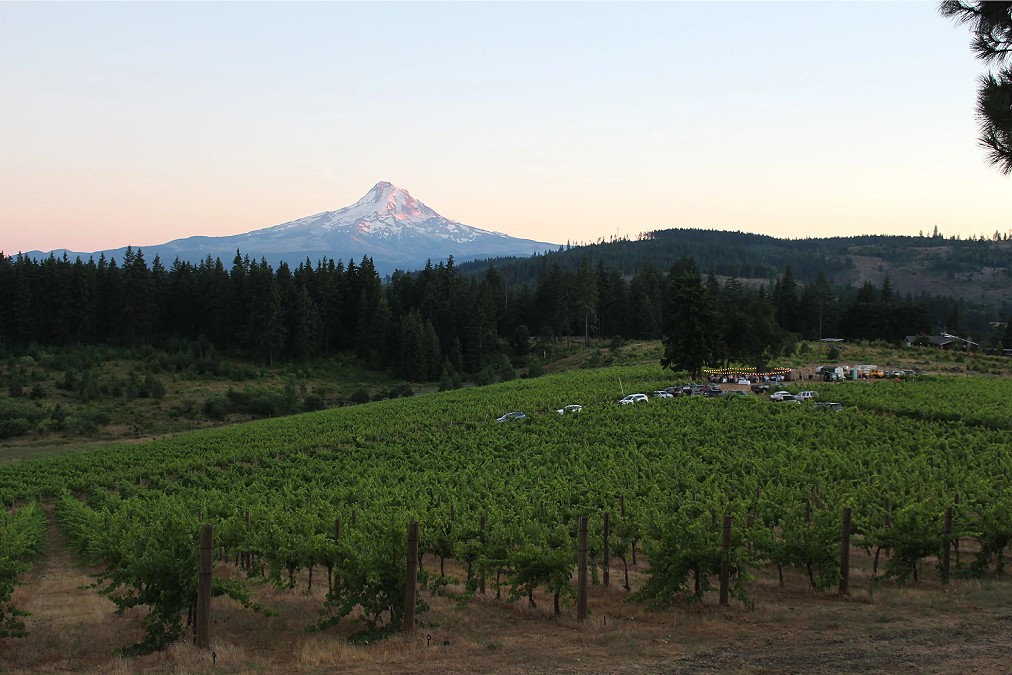
Wy’East Vineyards
Photo courtesy of Wy’East Vineyards

Hood River, Oregon

Think Wine Country, with a wild twist. Situated along the Columbia Gorge, Hood River’s wineries have two epic backdrops: the Columbia River and Mt. Hood. Given the climatic influence from the river and mountain, the grapes here benefit from diverse microclimates, and you’ll find everything from Pinot Noir and Chardonnay to Merlot and Riesling.

The region is also known for its cideries and breweries, of which you’ll find plenty. Expect a vibe that’s equal parts relaxed, down-to-earth, and outdoorsy. Windsurfing, kiteboarding, hiking, and paddling are all part of life here, so if you want a little adventure before your tasting, you’re in the right spot.

Hit these stops:
Loop de Loop Wines – laid-back, relaxed views.
Hiyu Wine Farm – biodynamic, farm-to-glass experience.
Wy’East Vineyards – bocce ball, friendly vibes.

Sonoma County, California

Napa Valley’s neighboring Sonoma County is a must for wine lovers who appreciate laid-back vibes and a locavore mindset. Home to 19 appellations planted to over 60 grape varieties, expect to find everything from sparkling wines and mineral-driven whites to complex, fruit-driven reds and bold wines from old vines—most produced by family-owned wineries and sourced from sustainably-farmed vineyards.

While wine is a major draw, of course, Sonoma County charms with its beautifully diverse landscapes that range from coastal bluffs to redwood forests, as well as its locally-focused dining scene. Here, farm-to-table isn’t just a buzzword, and restaurants like SingleThread and Barndiva are the proof.

Sip Here:
J Vineyards – elegant bubbles, seasonal fare.
Coursey Graves – romantic scenery, estate wines.
Sangiacomo Family Wines – sustainable leaders, family-focused.

Extend Your Sonoma Getaway

Sonoma is an expansive wine region, which means everyone could benefit from an extended stay. From a weekend getaway to a longer week retreat, let us help you find the perfect place to rest your head. Explore Sonoma’s hotels here.

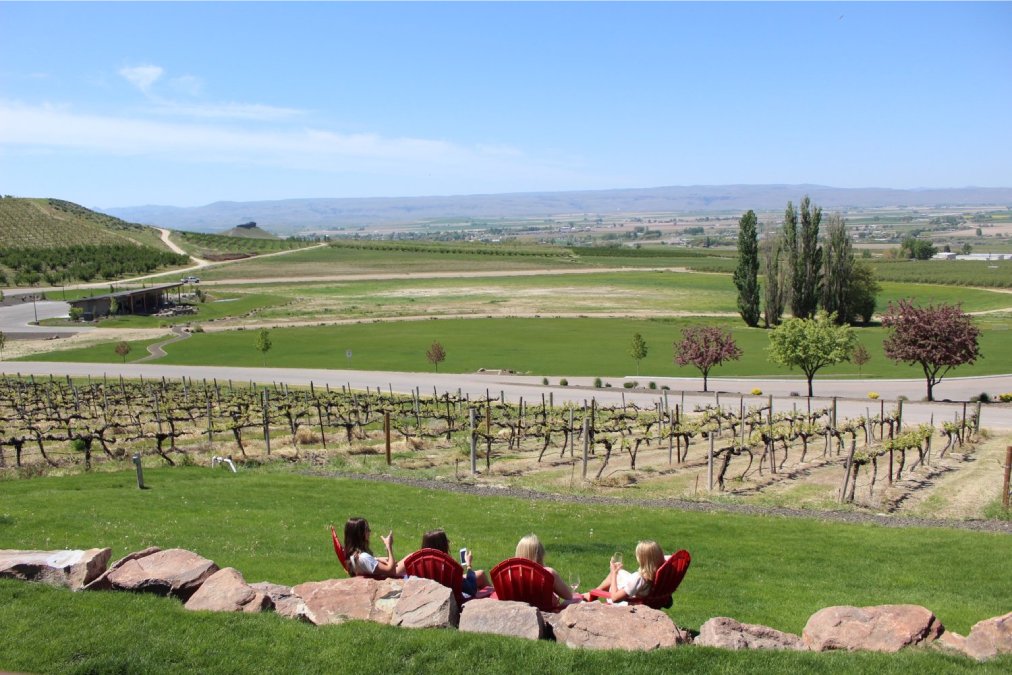
Walla Walla Wine Country
Discover the beautiful wine region Walla Walla. Photo Courtesy of WallaWalla.org

Walla Walla, Washington

Located along the Washington-Oregon border, Walla Walla Valley boasts the highest concentration of wineries in Washington. Now home to more than 130 wineries, it’s producing excellent examples of red wines, particularly Cabernet Sauvignon, Merlot, Syrah, Malbec, and Cabernet Franc.

From urban tasting rooms to modern estates overlooking the vines, wineries are spread across six distinct districts, each offering something different (so give yourself a few days to explore). Pair it all with an easygoing pace, a charming downtown, and an excellent dining scene, and the appeal is undeniable.

Try these:
Seven Hills Winery – downtown institution, effortless charm.
Pepper Bridge Winery – Cab and Merlot with a panorama.
Echolands – contemporary, unforgettable views.

Virginia Wine Country
Fancy a visit to Virginia Wine Country? Photo Courtesy of VirginiaWine.org

Northern & Central Virginia

Thomas Jefferson was an early believer in growing grapes in his home state of Virginia, now widely regarded as the birthplace of American wine. Today, the state is home to more than 300 wineries across eight AVAs, excelling with varieties like Viognier, Cabernet Franc, Petit Verdot, and Norton.

Just an hour from Washington, D.C., Northern Virginia’s Wine Country offers bucolic roads, rolling hills, and historic towns, while Central Virginia’s Monticello AVA pairs a thriving wine scene with culture, cuisine, and a strong sense of place, making the region as charming as it is scenic.

Try These:
Lost Mountain Vineyards (formerly RdV) – Benchmark estate, polished wines.
Barboursville Vineyards – grand architecture, on-site stays
Early Mountain Vineyards – elevated, culinary-minded.

Snake River Wine Tours
Photo courtesy of Snake River Wine Tours

Snake River Valley, Idaho

Idaho may be known for its dramatic scenery, epic skiing, and, of course, potatoes, but it also lays claim to the Pacific Northwest’s earliest wineries. Though Prohibition squashed the industry, the state’s wine industry is quietly making a comeback.

Most of Idaho’s 65 wineries are in the Snake River Valley—Idaho’s first AVA—which is located 30 miles from Boise. Here, a more moderate climate, minimal rainfall, and a high elevation make it more conducive to growing grapes, including Riesling, Chardonnay, Cabernet Sauvignon, and Syrah. Centered around the Sunnyslope Wine Trail, the Snake River Valley offers a relaxed, welcoming atmosphere, with family-owned wineries, intimate tasting experiences, and accessible price points.

Go Here:
Ste. Chapelle Winery – pioneering winery, vineyard views.
Koenig Vineyards – family-owned, welcoming.
Cinder Wines – urban vibes, woman-owned.

Fredericksburg, Texas
Have a picnic in the vineyards. Photo Courtesy of Visit Fredericksburg.

Texas Hill Country, Texas

Texas may not be the first place you’d think of when considering a wine tasting trip, but it has steadily been blazing a trail in wine. As the fifth largest wine producing state in the U.S., Texas is home to over 500 wineries scattered throughout the state.

While there are three main grape growing regions, Texas Hill Country has become the hot spot for wine tourism. Located in its heart is the historic town of Fredericksburg. In addition to wine, expect food trucks, sun-soaked patios, and music venues, all wrapped up with authentic Texas hospitality and a dose of German flair.

Stop at:
Becker Vineyards – big pours, good energy.
Signor Vineyards – provisions, live music.
Messina Hof Winery – large variety of sips, fun events.

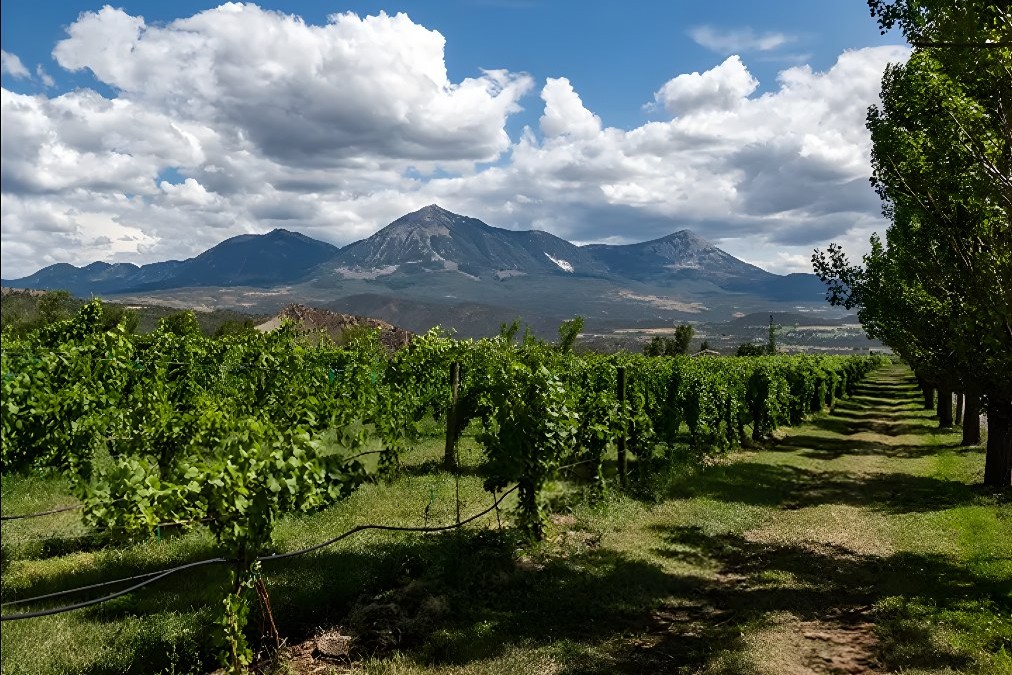
West Elks - Stone Cottage Cellars
Photo courtesy of Stone Cottage Cellars

West Elks AVA, Colorado

Home to some of the highest-elevation vineyards in North America, Colorado’s West Elks AVA sits on the state’s western slope, near Crested Butte and Gunnison. The region has built a quiet reputation for expressive white wines—think Riesling, Gewürztraminer, Pinot Gris, and Chardonnay—while fine examples of Pinot Noir prove that reds can thrive here, too.

Tastings are refreshingly unhurried and deeply personal, often hosted by the very people who farm the vines and craft the wines. This is the kind of place that encourages you to stop checking email and start soaking in your surroundings—a true unplug-and-unwind region far from the hustle and bustle.

Make time for:
Big B’s Hard Cider & Winery – wine, cider, music, camping.
Stone Cottage Cellars – a true family operation.

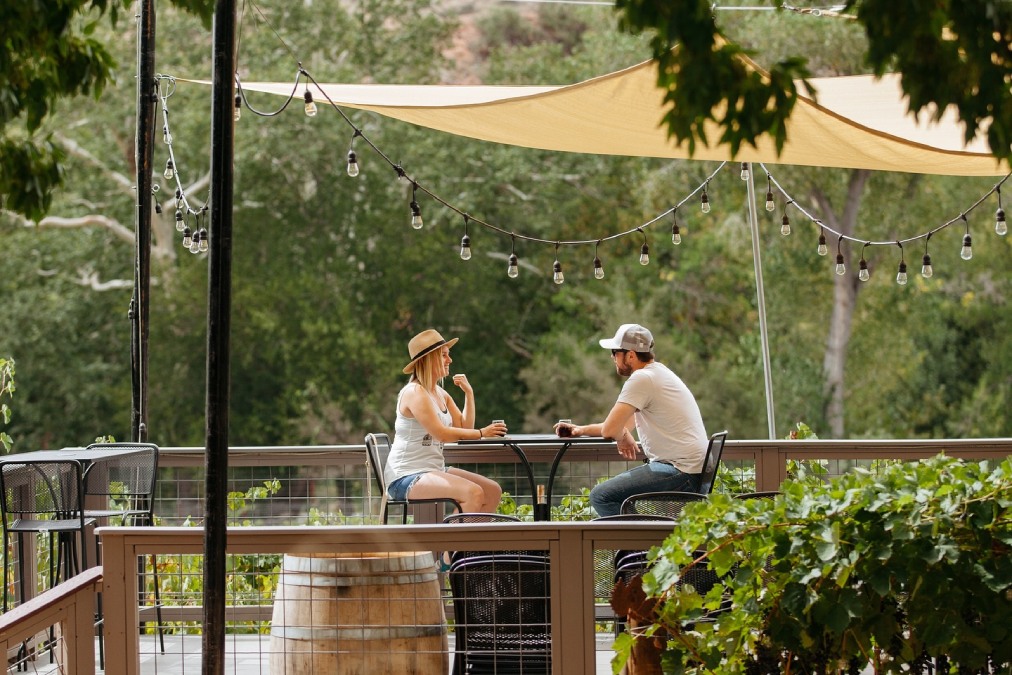
Page Springs Cellars
Photo courtesy of Page Springs Cellars

Verde Valley, AZ

Arizona’s Verde Valley may surprise even seasoned wine travelers. Located about two hours north of Phoenix, this desert oasis-like wine region is gaining attention for its scenic landscapes, passionate producers, and increasingly refined wines. Vineyards sit at elevations between 3,000 and 5,000 feet, where warm days, cool nights, and diverse soils create ideal conditions for grapes.

Popular varieties include whites like Malvasia Bianca and Viognier, while reds including Syrah, Grenache, Mourvèdre, and Cabernet Sauvignon have earned acclaim. Tastings are relaxed, often with the winemakers pouring themselves, and many wineries are just minutes from hiking trails, red-rock vistas, and charming historic towns.

Sip here:
Caduceus & Merkin Vineyards – expressive wines with rock-and-roll roots.
Chateau Tumbleweed – down-to-earth vibes, single-vineyard wines.
Page Springs Cellars – wine and food, broad portfolio.

Ready to plan?

In 2026, the most rewarding wine regions aren’t always the ones you have to fly to. Sometimes it’s about finally visiting that iconic region in your home state; other times, it’s about discovering a lesser-known destination you’ve barely heard of. Wherever you choose to go this year, expect to sip delicious wines from small, family-owned producers, see new sights, and enjoy beautiful scenery.